These expert summaries highlight key medical insights into recovery from long COVID-19 and other post-viral syndromes. Each scientist presents a distinct biological angle—ranging from metabolism to nitric oxide, the microbiome to sleep—offering actionable, evidence-based strategies for restoring health and resilience.
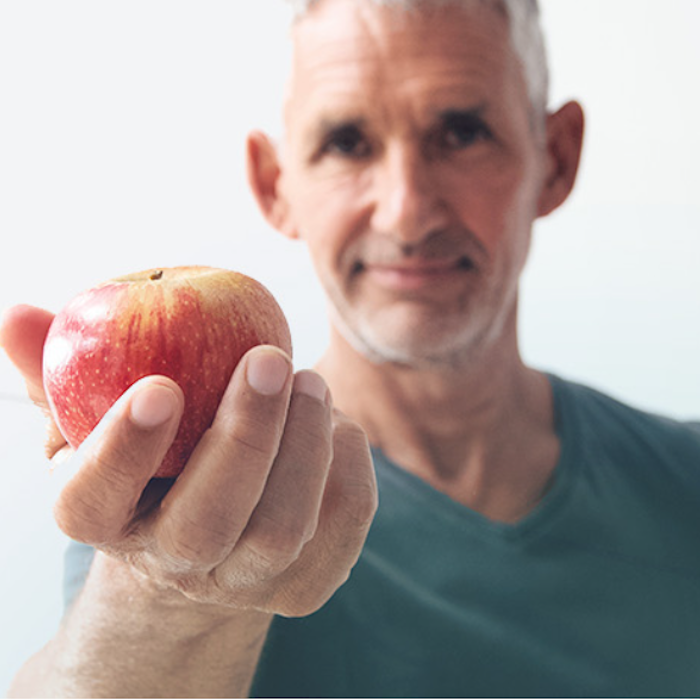
Dr. Tim Spector
Dr. Tim Spector, professor of genetic epidemiology at King’s College London, is a prominent advocate for personalized nutrition and microbiome-focused health strategies. His research and public outreach emphasize that microbial diversity in the gut is a cornerstone of immune resilience, inflammation control, and metabolic recovery—especially relevant in the context of post-COVID-19 and long COVID-19 syndromes, which often involve gut dysbiosis and systemic low-grade inflammation.
Spector recommends dietary diversity (30 different plant foods per week) as a practical intervention to restore microbiome health. He emphasizes fiber-rich, minimally processed, polyphenol-rich, and fermented foods to modulate inflammation and improve energy regulation. His critique of ultra-processed foods aligns with rising evidence linking these products to worsened immune response and metabolic dysfunction. He also supports intermittent fasting and gut rest as low-cost, sustainable methods to recalibrate post-infectious homeostasis.
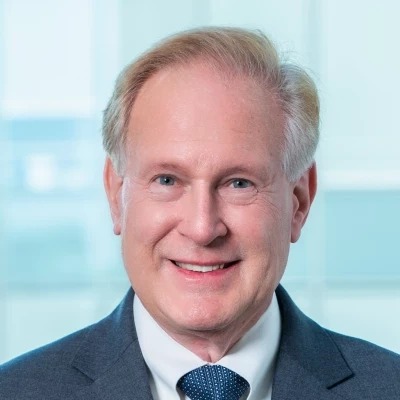
Dr. Robert Lustig
Dr. Robert Lustig is a pediatric neuroendocrinologist and professor emeritus at UCSF, best known for his research on the metabolic effects of sugar and the intersections between nutrition, insulin, liver health, and chronic disease. He is a leading voice in exposing the role of added sugars—particularly fructose—in the pathogenesis of metabolic syndrome, fatty liver disease, insulin resistance, and neuroinflammation.
Lustig argues that chronic diseases such as type 2 diabetes, cardiovascular disease, and many neurodegenerative and mood disorders are driven less by calories and more by biochemical dysfunction caused by poor-quality food, especially ultra-processed, sugar-laden products. He draws strong links between hepatic metabolism (liver overload), insulin signaling, and mitochondrial impairment—all of which are also implicated in post-COVID-19 symptomatology such as fatigue, brain fog, and inflammation.
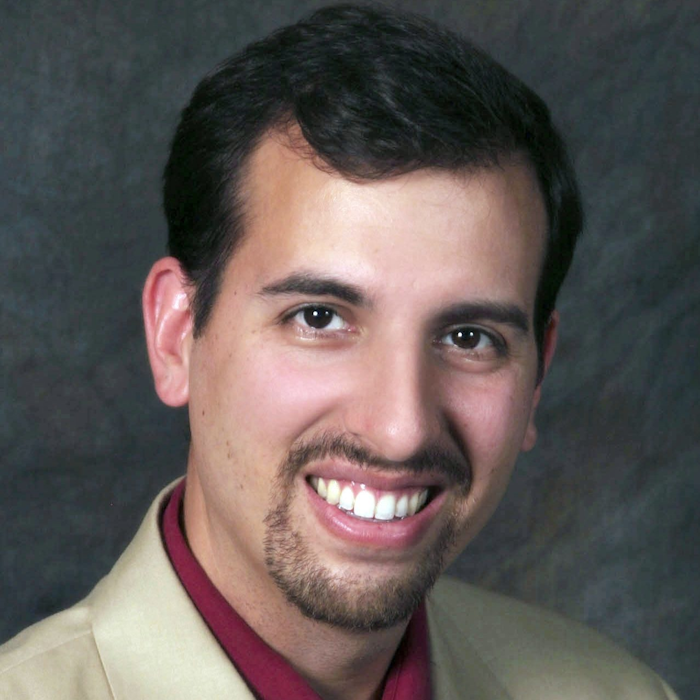
Dr. Roger Seheult
Dr. Roger Seheult, pulmonologist, intensivist, and co-founder of MedCram, advocates for lifestyle-based interventions to bolster immune function and overall health. His work draws heavily from the NEWSTART framework (Nutrition, Exercise, Water, Sunshine, Temperance, Air, Rest, Trust in God), originally developed by the Seventh-day Adventist health system, and integrates current mechanistic and clinical evidence.
In the context of immunology and infectious disease resilience (including COVID-19), Seheult emphasizes interventions like light exposure (sunlight and infrared), circadian alignment, metabolic health via nutrition and fasting, stress reduction through spiritual/relational practices, and optimized sleep. His approach is rooted in evidence-based lifestyle medicine, with particular focus on mitochondrial and endothelial function, nitric oxide production, and neuroimmune modulation.
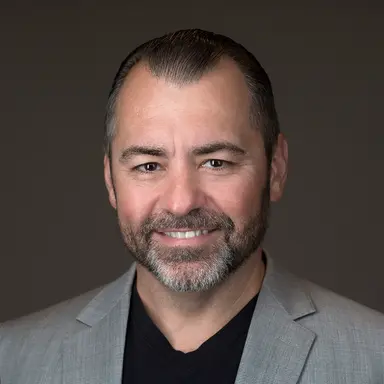
Dr. Nathan Bryan
Dr. Nathan Bryan is a molecular medicine researcher and leading authority on nitric oxide (NO) biochemistry, with a focus on its roles in vascular health, immune function, mitochondrial efficiency, and metabolic resilience. His work highlights the crucial regulatory role of NO as a gaseous signaling molecule, particularly in endothelial function, oxygen delivery, and mitochondrial ATP production.
Nitric oxide production often declines with age, poor diet, oral microbiome disruption, or chronic illness—factors also seen in post-COVID-19 and long COVID-19, where microvascular dysfunction, fatigue, and poor oxygen utilization are common. Bryan’s research shows that lifestyle, diet, and oral hygiene can profoundly affect endogenous NO levels, offering a low-risk, evidence-based avenue for improving energy, circulation, and immune response.
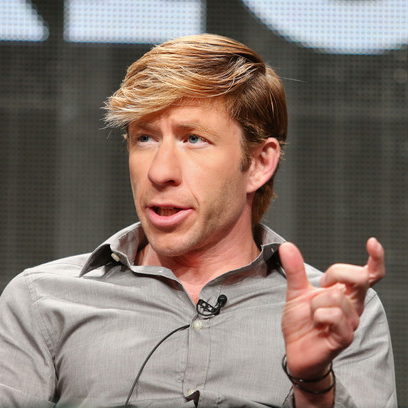
Dr. Matthew Walker
Dr. Matthew Walker, professor of neuroscience and psychology at UC Berkeley, is one of the most cited sleep scientists in the world. His work focuses on the neurobiology of sleep and its deep connections to immune function, cognition, metabolic regulation, cardiovascular health, and mental resilience. Walker has shown that even modest reductions in sleep quantity or quality can profoundly disrupt hormonal balance, inflammation levels, memory consolidation, and emotional regulation.
In the context of post-COVID-19 and long COVID-19, where fatigue, brain fog, mood instability, and immune dysregulation are common, Walker’s emphasis on consistent, high-quality sleep is especially relevant. Sleep restores immune capacity, enhances mitochondrial recovery, and clears metabolic waste from the brain via the glymphatic system—making it a cornerstone of long-term recovery.